Key Takeaways
-
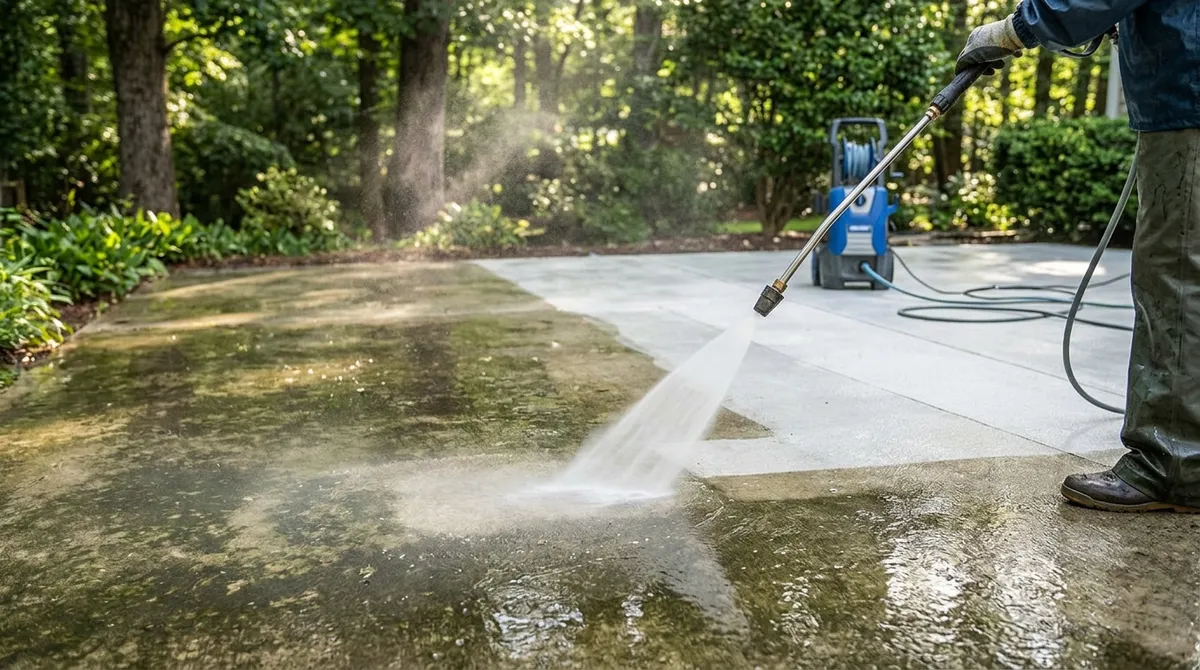
Use a 25-degree green nozzle at 2,000-3,000 PSI and keep the nozzle 6-12 inches from the surface with overlapping passes to avoid etching or damaging concrete.
-
Apply a biodegradable, concrete-safe pre-treatment solution and let it dwell for 10-15 minutes before pressure washing to break down mold, algae, and stubborn stains effectively.
-
Start washing from the highest point working downward at a 45-degree angle with smooth, overlapping strokes at a steady pace to achieve even results without streaks.
-
In Florida's humid climate, power wash your concrete patio every 6 months, or annually if in full sun, since heat and moisture create ideal conditions for mold and algae growth.
-
Apply concrete sealer after the patio dries completely (24-48 hours) to lock out moisture, prevent future staining, and make subsequent cleanings much easier.
-
Clear all furniture, plants, electrical fixtures, and vehicles before starting; cover nearby landscaping with plastic and wet down grass to protect from cleaning solution runoff.
Your concrete patio puts up with a lot. Florida’s heat, humidity, and afternoon rainstorms leave behind mold, algae, dirt, and stubborn stains that make your outdoor space look worn and unwelcoming. If you’ve been staring at a grimy patio and wondering where to start, you’re in the right place. Power washing a concrete patio is one of the most effective ways to restore its original look — fast. Whether you want to tackle it yourself or call in the pros, understanding the process helps you make smarter decisions. In Hillsborough County, where heat and moisture team up against your outdoor surfaces year-round, a clean patio isn’t just about looks. It’s about protecting your investment, keeping your family safe from slippery algae, and making your backyard a place you actually want to spend time in. Let’s walk through the six key steps that make the difference between a so-so clean and a stunning transformation.
Why Power Washing Your Concrete Patio Matters
Concrete is tough, but it’s also porous. That means it soaks up everything — oil drips, mold spores, algae, and dirt. Over time, these build up and become nearly impossible to remove with a garden hose or a scrub brush. Power washing concrete makes such a big difference because high-pressure water penetrates those tiny pores and flushes out contaminants at the root level.
Beyond appearance, there’s a real safety concern. Algae and mold growth make concrete slippery — especially here in Florida where moisture is constant. A clean patio is a safer patio. And if you’re in an HOA community, keeping your outdoor surfaces looking sharp isn’t just a preference — it’s a requirement.
6 Steps to Power Washing a Concrete Patio Like a Pro
Step 1: Clear the Area and Protect Surrounding Surfaces
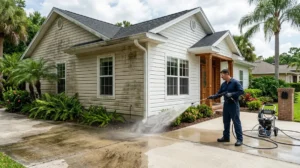
Before you ever turn on a pressure washer, prep your space. This step takes just a few minutes but saves you a lot of headaches later. Here’s what to remove or protect:
- Patio furniture, planters, and décor
- Outdoor rugs or mats
- Potted plants and garden beds near the patio edges
- Electrical fixtures, outlets, or extension cords
- Vehicles parked nearby
If you have landscaping right next to your patio, cover plants with plastic sheeting to protect them from cleaning detergents. Also wet down nearby grass and shrubs before you start — this helps dilute any runoff and reduces the chance of damage. If you’d rather skip the prep work entirely, professional driveway and concrete cleaning services handle all of this for you.
Step 2: Apply a Concrete-Safe Pre-Treatment
A pre-treatment solution is a game-changer. It breaks down mold, mildew, algae, and stubborn stains before the pressure washing even begins. Skipping this step means you’re relying entirely on water pressure — and that’s not always enough for deep-set grime.
When choosing a cleaning solution, look for these features:
- Biodegradable and eco-friendly formula
- Safe for concrete surfaces (won’t cause etching or discoloration)
- Effective against mold, algae, and organic matter
- Safe for surrounding plants and grass when diluted
Apply the solution evenly across the entire patio surface. Let it dwell for 10 to 15 minutes — but don’t let it dry. This dwell time is where the chemistry does its work. You’ll notice the grime starts to loosen visibly before you even rinse. For insight on when soft chemical washing works better than high pressure, check out this helpful guide on soft wash vs. pressure wash for Florida homes.
Step 3: Choose the Right Pressure and Nozzle
Not all pressure settings are equal. Using the wrong nozzle or too much pressure on your concrete patio can actually cause surface damage — a problem known as etching. Here’s a quick breakdown to guide your nozzle selection:
| Nozzle Type | Spray Angle | Best Use on Concrete Patio |
|---|---|---|
| Red Nozzle (0°) | Direct point stream | Avoid — too aggressive for patios |
| Yellow Nozzle (15°) | Narrow fan | Tough stains (use carefully) |
| Green Nozzle (25°) | Medium fan | General patio cleaning |
| White Nozzle (40°) | Wide fan | Rinsing and light cleaning |
| Soap Nozzle (Black) | Low pressure | Applying detergent |
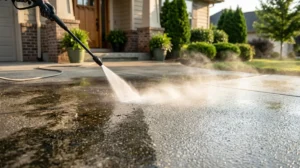
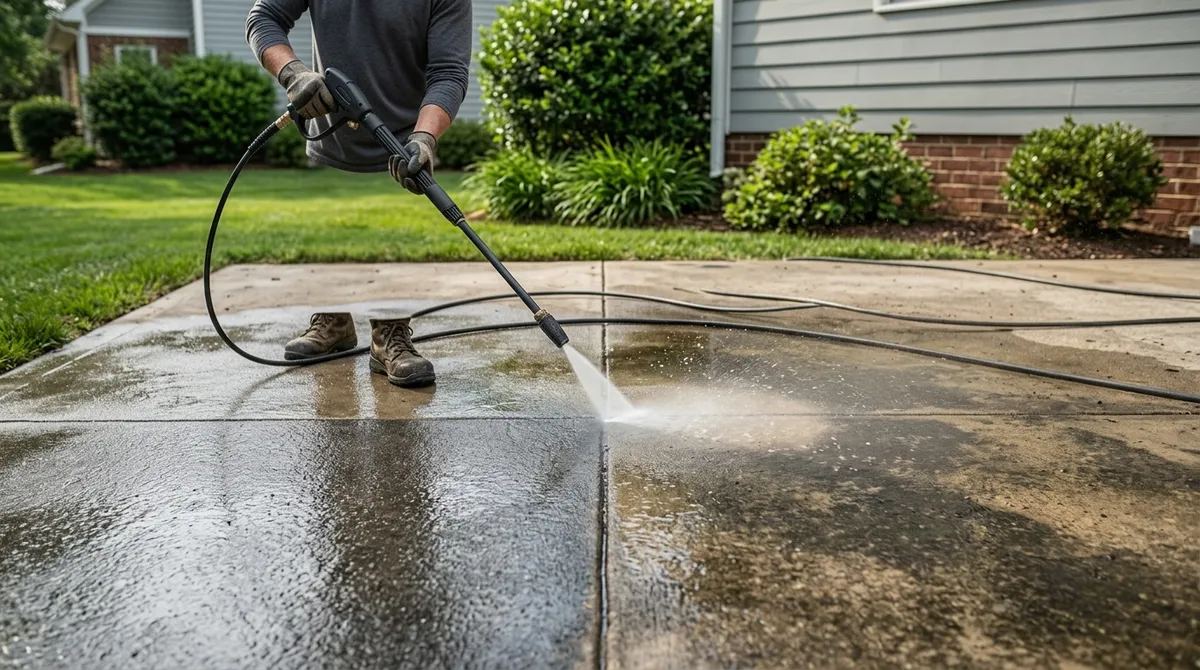
For most residential concrete patios, a 25-degree green nozzle at 2,000–3,000 PSI hits the sweet spot. Keep the nozzle 6 to 12 inches from the surface and use consistent, overlapping passes. If you want to see how pros handle this, read this guide on how to clean concrete with a pressure washer the right way. Also, review the 7 mistakes to avoid when using a power washer to clean concrete so you don’t accidentally damage your surface.
Step 4: Use Proper Washing Technique
Technique matters more than most people realize. A lot of DIYers make the mistake of randomly spraying in every direction. This leads to streaks, missed spots, and an uneven result. Professional technique is methodical and deliberate.
Follow these steps in order for the best results:
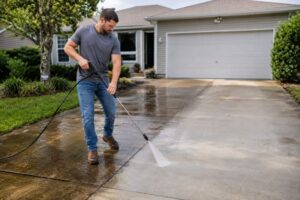
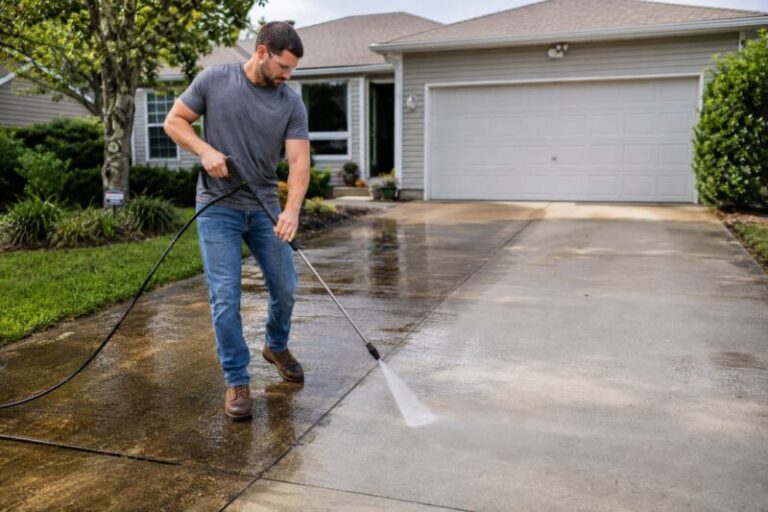
- Start at the highest point of the patio and work downward toward the drain or lawn edge.
- Hold the wand at a consistent angle — about 45 degrees to the surface.
- Use smooth, overlapping strokes about 50% wider than your spray fan.
- Move at a steady pace — not too slow (causes etching) and not too fast (leaves dirt behind).
- Rinse each section completely before moving to the next.
This disciplined approach gives you an even clean without visible lines or missed patches. It’s one of the reasons homeowners who’ve tried DIY often end up searching for power washing near me — because getting it right takes practice.
Step 5: Tackle Stubborn Stains with Targeted Treatment
Some stains need extra attention even after pre-treatment and pressure washing. Oil stains, rust marks, and deep-set mildew often resist a single pass. Here’s how to handle the most common problem areas:
- Oil and grease stains: Apply a degreaser directly, scrub with a stiff brush, then pressure wash again.
- Rust stains: Use a rust remover formulated for concrete; pressure washing alone won’t dissolve rust.
- Mold and algae: Re-apply your cleaning solution and let it dwell longer before rinsing.
- Tire marks: A concentrated degreaser works well; let it penetrate before washing.
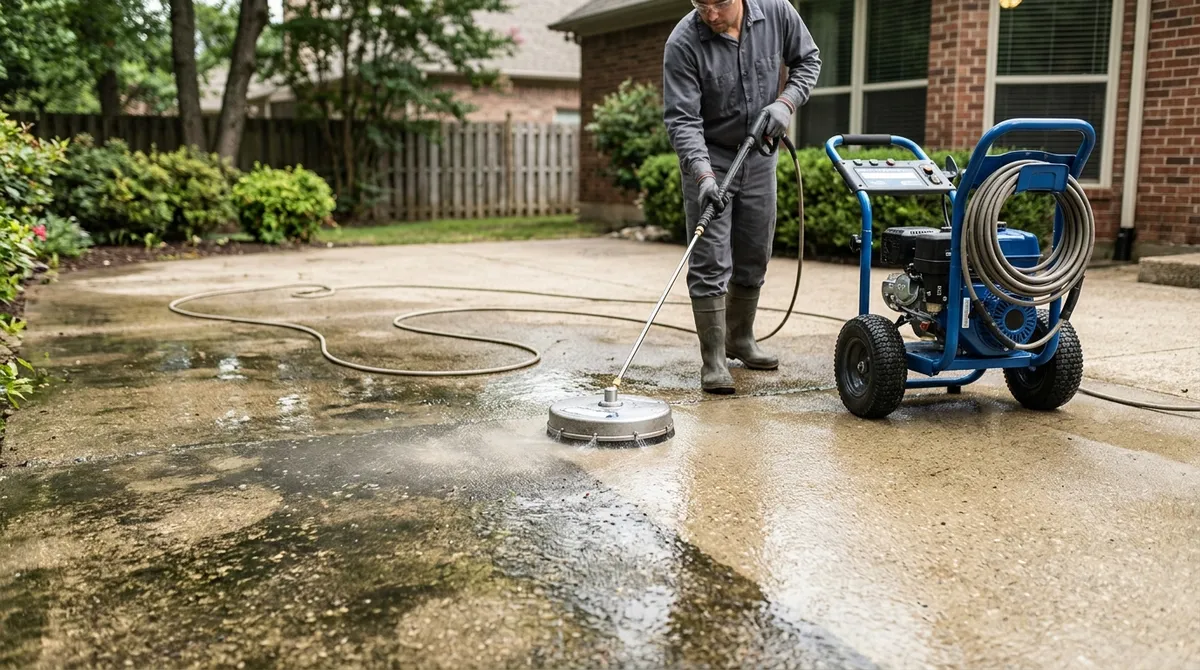
For really stubborn buildup, a surface cleaner attachment (a rotating bar with dual nozzles) can be incredibly effective. It cleans evenly and reduces streaking. You can learn more about this approach in this guide on how pressure washing transforms your outdoor space.
Step 6: Rinse Thoroughly and Consider Sealing
The final rinse is more important than most people give it credit for. Any detergent residue left on the surface can attract new dirt faster and may even damage the concrete over time. Here’s your rinsing checklist:
- Switch to a wide-angle nozzle (40-degree white) for the rinse.
- Start from the top and push all water toward the edges of the patio.
- Rinse the surrounding landscaping and grass to dilute any detergent runoff.
- Allow the concrete to dry completely — usually 24 to 48 hours in Florida’s heat.
Once the patio is clean and fully dry, this is the perfect time to apply a concrete sealer. Sealing locks out moisture, prevents future staining, and makes the next cleaning session much easier. It’s a smart investment, especially in Hillsborough County where humidity is relentless. Check out our full resource on driveway cleaning and sealing to understand the benefits.
DIY vs. Professional Patio Power Washing: Which Is Right for You?
Let’s be honest — power washing a concrete patio yourself is doable, but it comes with real challenges. Renting or buying equipment, sourcing the right chemicals, and learning proper technique all take time and effort. And mistakes can damage your concrete. That’s not a fun weekend project outcome.
| Factor | DIY Power Washing | Professional Service |
|---|---|---|
| Equipment | Rent or buy | Pro-grade tools included |
| Time Required | Half day to full day | 1–2 hours typically |
| Risk of Damage | Higher without experience | Low — trained technicians |
| Results Quality | Variable | Consistent and thorough |
| Eco-Friendliness | Depends on products used | Eco-friendly detergents available |
For busy homeowners and time-poor professionals in Hillsborough County, hiring a pro simply makes more sense. You get better results, faster, without the risk. Read more about DIY vs. professional exterior cleaning to help make your decision.
How Often Should You Power Wash Your Concrete Patio?
Florida’s climate means your patio gets dirty faster than in most other states. The heat and humidity create the perfect breeding ground for mold, algae, and mildew. Here’s a simple frequency guide:
- Every 6 months: Ideal for most Hillsborough County homes, especially those with shaded patios or nearby trees.
- Annually: Suitable for patios in full sun with less organic matter accumulation.
- After major weather events: Storms can deposit debris, dirt, and organic material that should be cleaned promptly.
If you’re not sure when your patio last had a proper clean, check out 7 signs you need a pressure washing company near me today — you’ll quickly know if it’s time.
Why Buckhorn Power Wash Is Hillsborough County’s Trusted Choice
At Buckhorn Power Wash, we’ve helped hundreds of homeowners across Hillsborough County restore their patios, driveways, and outdoor spaces. We use professional-grade equipment and eco-friendly detergents that are tough on grime but gentle on your property and the environment. Our team knows Florida concrete inside and out — including how to handle the specific types of mold and algae that thrive in our climate.
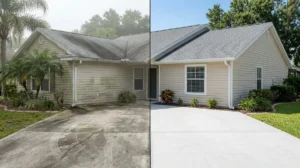
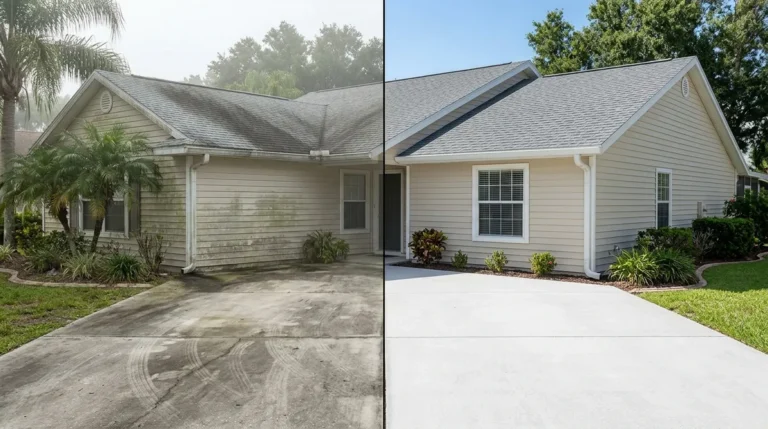
We’re proud of the results we deliver, and so are our customers. You can visit us on Google — Buckhorn Power Wash to read reviews from real Hillsborough County homeowners just like you. Our work also speaks for itself — take a look at our before-and-after gallery to see what a professional clean can do for concrete surfaces.
Our content and service approach have been shaped with the help of SEO Rocket, a digital marketing platform that helps local home service businesses connect with homeowners who need them most.
You can also find us on Facebook and read verified customer reviews on Yelp to get a feel for the Buckhorn Power Wash experience before you book.
Tips to Keep Your Patio Cleaner Between Washes
A little maintenance goes a long way. These simple habits will help your patio stay cleaner for longer between professional cleanings:
- Sweep the patio weekly to remove leaves, debris, and dirt before they decompose and stain.
- Rinse with a garden hose after heavy rain to wash away residue.
- Apply a concrete sealer every 1–2 years to reduce porosity and repel stains.
- Trim nearby trees and shrubs to reduce leaf and sap buildup on the surface.
- Address spills immediately — especially oil, wine, or food — before they soak in.
These habits won’t replace a professional power wash, but they will extend the time between deep cleans and keep your patio looking its best year-round.
Ready to Transform Your Patio? Here’s Your Next Step
Power washing a concrete patio is one of the best things you can do for your outdoor space. Whether you decide to DIY or hand it off to the pros, following the right steps makes all the difference. And if you’re in Hillsborough County and want guaranteed professional results without lifting a finger, we’ve got you covered.
Don’t let a grimy patio steal the enjoyment of your outdoor living space another day. Request your free instant quote from Buckhorn Power Wash today — it takes just a few minutes and there’s no home visit required. Your concrete patio deserves to look its best, and so does your home.
FAQs
Q: How long does it take to power wash a concrete patio?
A: For an average-sized residential patio, power washing typically takes between 1 and 3 hours depending on the size, level of buildup, and whether pre-treatment is needed. Professional services are usually faster because they use commercial-grade equipment that covers more ground quickly — so you can get back to enjoying your outdoor space the same day!
Q: Can power washing damage my concrete patio?
A: Yes, it can — but only if done incorrectly. Using too much pressure, the wrong nozzle, or holding the wand too close to the surface can etch or pit concrete. That’s why technique matters so much. When in doubt, a professional power washing service takes the guesswork out and protects your patio from accidental damage.
Q: What PSI is best for power washing a concrete patio?
A: For most residential concrete patios, a PSI range of 2,000 to 3,000 is ideal. This is strong enough to remove mold, algae, and dirt without damaging the concrete surface. Pairing the right PSI with a 25-degree green nozzle gives you the sweet spot between cleaning power and surface safety.
Q: How often should I power wash my concrete patio in Florida?
A: In Florida’s humid climate, most homeowners should power wash their concrete patio at least once every 6 months. The heat and moisture create perfect conditions for mold and algae growth, so more frequent cleaning keeps your patio looking fresh and prevents slippery buildup that can be a safety hazard.
Q: Should I seal my concrete patio after power washing?
A: Absolutely — sealing after power washing is a smart move! Once your patio is clean and fully dry, a concrete sealer fills those tiny pores and creates a barrier against future staining, moisture, and mold growth. It makes future cleanings easier and helps your patio stay looking great much longer between washes.