Key Takeaways
-
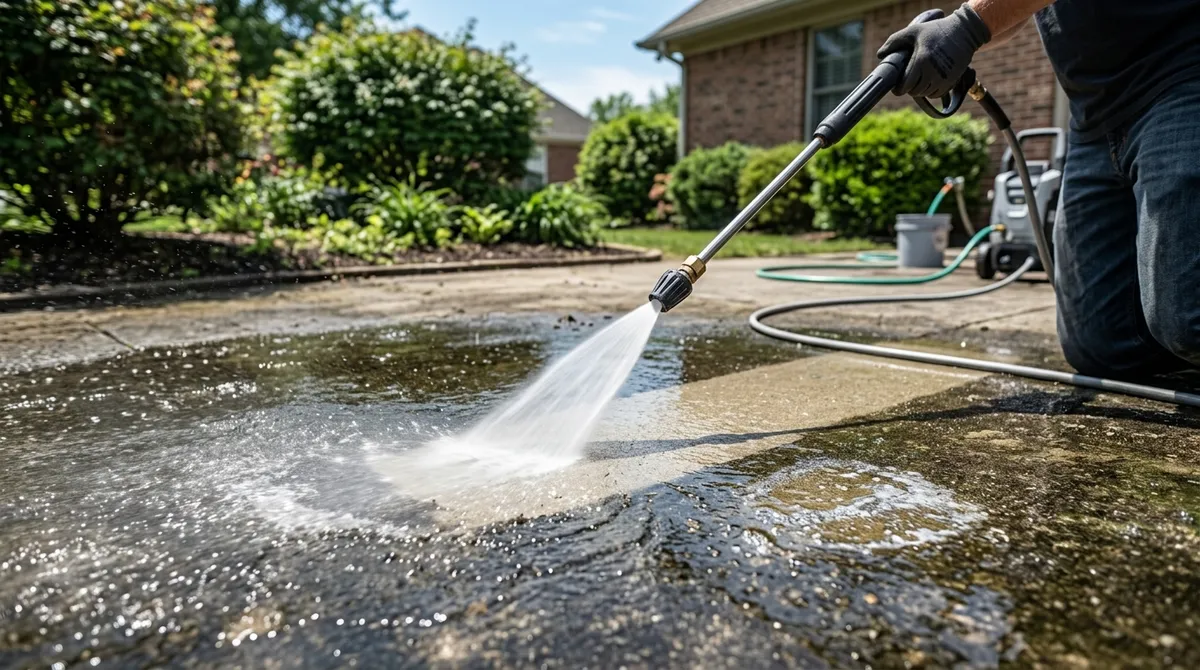
Use 2,000–3,000 PSI with a 25-degree nozzle tip for solid concrete patios, keeping the nozzle 6–12 inches away and moving constantly to avoid surface etching or pitting.
-
Pre-treat stubborn stains with concrete-safe degreaser for 10–15 minutes before pressure washing to dramatically improve cleaning effectiveness without relying solely on water pressure.
-
Florida's heat and humidity create mold and algae growth within months, so pressure wash every 6–12 months and seal the surface every 2–3 years to maintain long-term protection.
-
Avoid common mistakes like using excessive pressure on older concrete, skipping pre-treatment, holding the nozzle too close, neglecting edges, and washing toward your house or windows.
-
Apply concrete sealer 24–48 hours after pressure washing to create a protective barrier that repels water, oil, and stains while slowing organic growth and extending patio lifespan.
-
Call a professional if stains won't budge, your concrete shows cracks, the patio is large or complex, or you lack proper equipment—professionals use commercial-grade solutions to avoid damage.
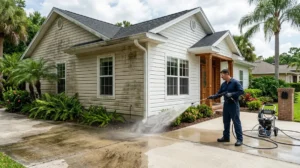
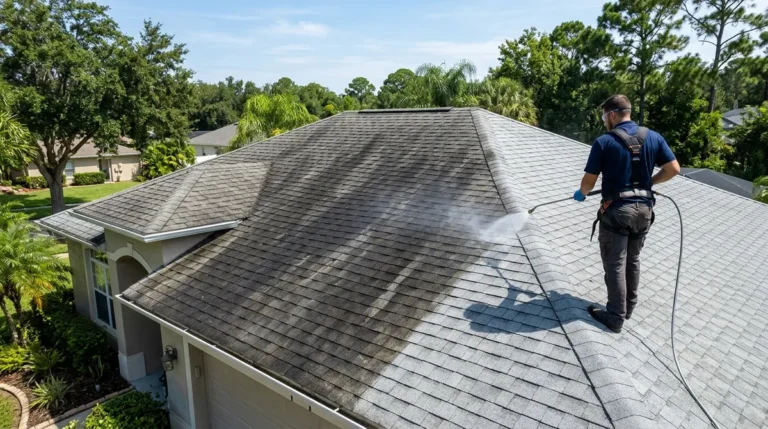
Your concrete patio takes a beating every single day. Florida’s heat, humidity, and afternoon rain showers create the perfect recipe for mold, algae, and stubborn grime. If your patio looks more gray-green than clean and bright, it might be time to pressure wash your concrete patio and restore it to its former glory. Whether you’re a busy homeowner in Hillsborough County or someone who just wants their outdoor space looking great again, this guide walks you through everything you need to know — from prep work to pro tips to knowing when to call in the experts.
Why Pressure Washing Your Concrete Patio Matters
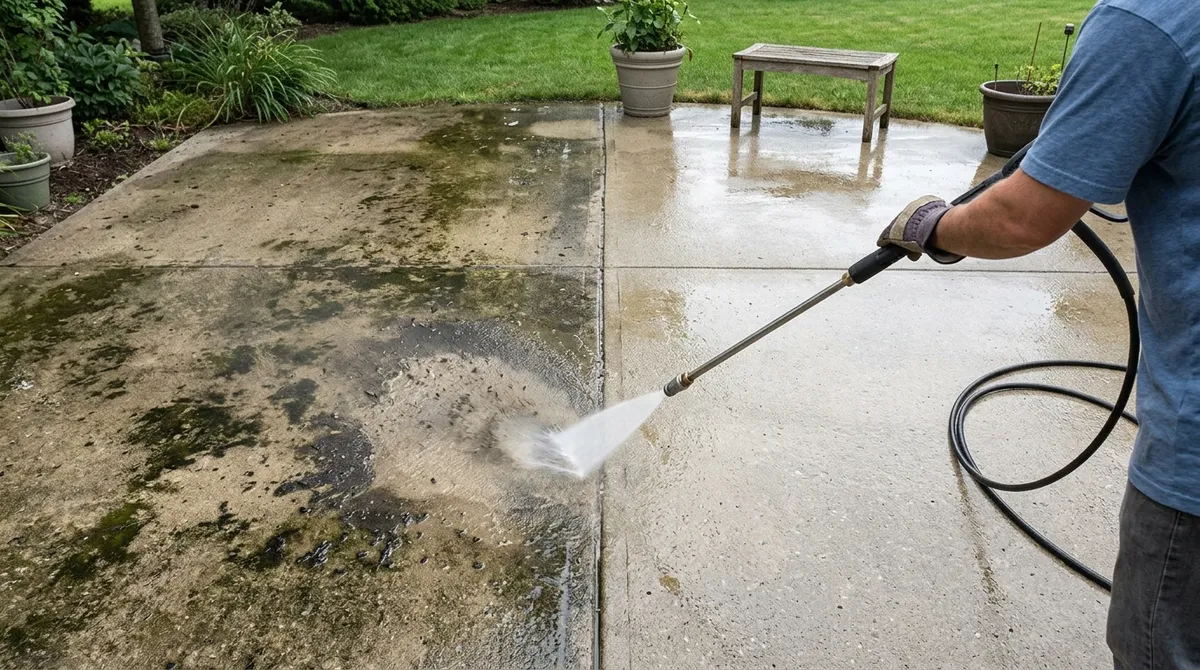
A dirty patio isn’t just an eyesore. Built-up algae and mold can make concrete surfaces dangerously slippery. That’s a real safety concern, especially if you have kids or elderly family members using the space. Beyond safety, regular cleaning actually extends the life of your concrete by preventing organic growth from breaking down the surface over time.
For homeowners in HOA communities, a stained patio can mean fines and warning letters. Keeping it clean helps you stay compliant without stress. And if you’re thinking about selling your home, a clean, bright patio adds real curb appeal and signals to buyers that the property is well-maintained. To understand just how powerful this cleaning method can be, check out how pressure washing transforms your outdoor space.
What You Need Before You Start
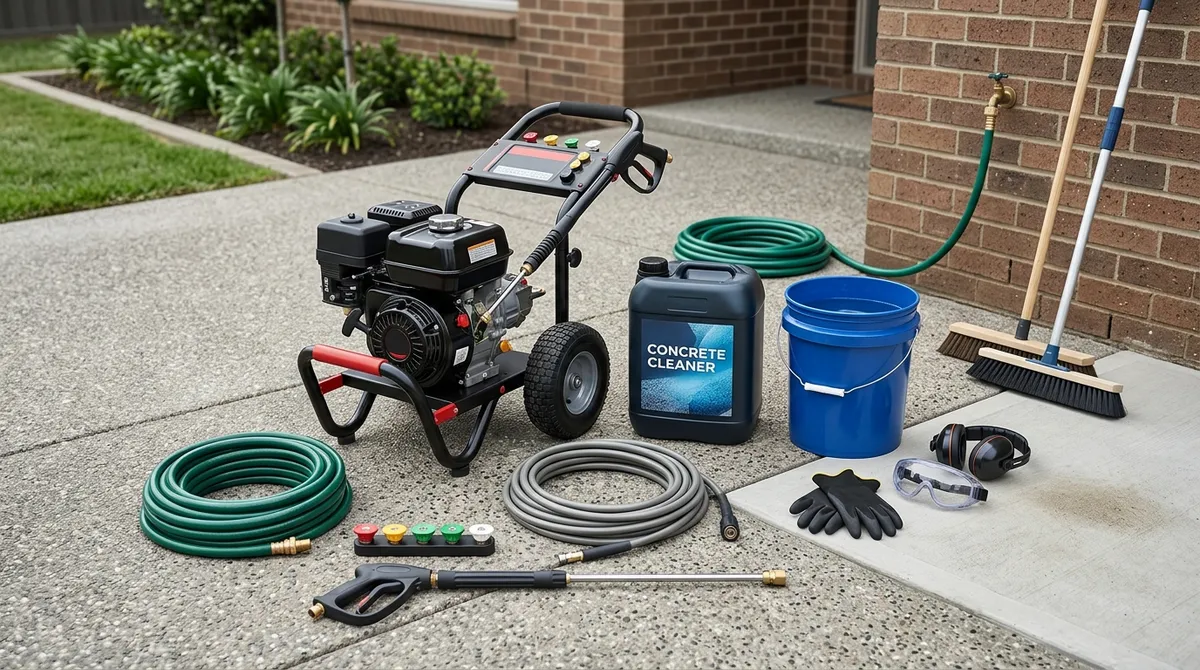
Preparation is everything. Rushing in without the right setup leads to uneven results or, worse, surface damage. Here’s what you’ll want to gather and consider before the water starts flowing.
Essential Equipment and Supplies
- Pressure washer: Look for a machine that delivers 2,000–3,000 PSI for concrete surfaces
- Surface cleaner attachment: This spinning disc head gives you even, streak-free cleaning
- Appropriate nozzle tips: A 25-degree (green) tip works well for general concrete cleaning
- Concrete-safe detergent: Pre-treating stubborn stains makes a big difference
- Safety gear: Closed-toe shoes, eye protection, and waterproof clothing
- Garden hose with good water supply: Most pressure washers need a steady flow to perform well
- Stiff-bristle brush: Useful for scrubbing tough spots before washing
Step-by-Step Guide to Pressure Wash a Concrete Patio
Following the right steps in the right order makes the whole process smoother and more effective. Skipping steps — especially prep — often means doing the job twice. Here’s the full process from start to finish.
Step 1: Clear the Patio Completely
Remove all furniture, planters, grills, and decorations from the patio. Even items you think you can work around will get in the way. Move them completely off the surface so you have full access to every corner and edge. This also protects your belongings from high-pressure water damage.
Step 2: Sweep Away Loose Debris
Use a broom or leaf blower to remove leaves, dirt, and loose grit. This step prevents debris from clogging your pressure washer or getting pushed into cracks. It also helps you see what stains or problem areas need extra attention.
Step 3: Pre-Treat Stubborn Stains
Apply a concrete-safe degreaser or detergent to oil stains, rust marks, or heavily mildewed areas. Let it sit for 10–15 minutes so it can break down the buildup. Don’t let it dry completely — keep it moist if the sun is strong. This pre-treatment step makes the actual pressure washing far more effective. You can learn more about how to clean concrete with a pressure washer the right way for deeper stain guidance.
Step 4: Set Up Your Pressure Washer
Connect your pressure washer to a water source and attach your surface cleaner or chosen nozzle tip. Start with a lower pressure setting and test it on an inconspicuous corner of the patio. This lets you gauge how the surface responds before committing to the whole area. Always keep the nozzle moving — never hold it stationary on one spot.
Step 5: Wash in Overlapping Passes
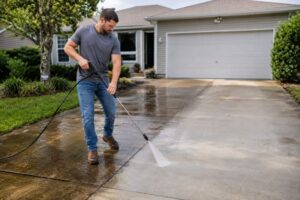
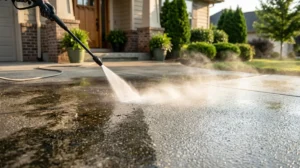
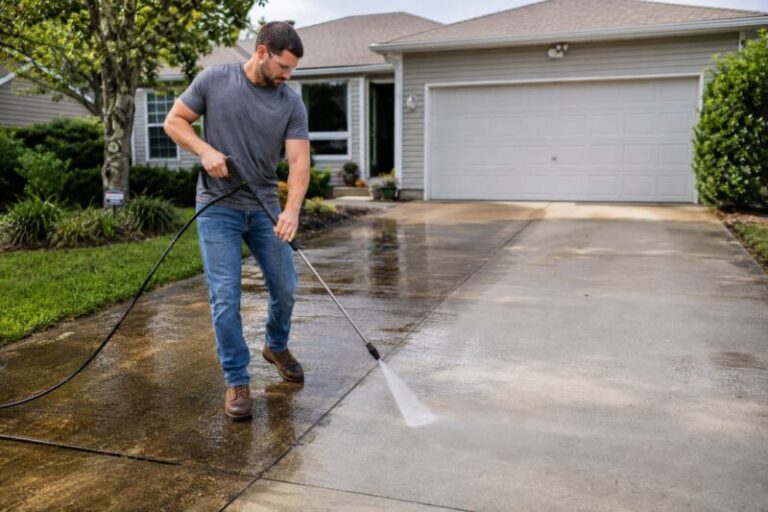
Work in consistent, overlapping passes across the patio surface. Move in one direction first, then go back in the perpendicular direction for the best results. Keep the nozzle about 6–12 inches from the surface. Going too close can etch or pit the concrete, while staying too far reduces cleaning power.
Step 6: Rinse Thoroughly
After washing, do a final rinse pass over the entire surface to flush away loosened dirt and detergent residue. Use a wider spray angle for the rinse to move water away quickly. Make sure runoff drains away from garden beds and landscaping.
Step 7: Let It Dry Completely
Allow the patio to air dry fully before putting furniture back. In Florida’s sunny weather, this usually takes a few hours. Avoid walking on wet concrete right after cleaning — you’ll leave footprints and possibly track dirt back onto the fresh surface.
Common Mistakes to Avoid
Even experienced DIYers make these errors. Knowing what not to do saves you time, effort, and potential repair costs. If you want a deeper look at pitfalls, this guide on mistakes to avoid when using a power washer to clean concrete is a great resource.
- Using too much pressure: High PSI on older or weakened concrete can cause surface damage and pitting
- Skipping the pre-treatment: Detergent does the chemical work so the water doesn’t have to do it all alone
- Holding the nozzle too close: Keep a safe distance to avoid etching patterns into the concrete
- Forgetting the edges: Corners and edges collect the most grime — don’t neglect them
- Not rinsing completely: Detergent residue left behind can attract new dirt faster
- Washing toward the house: Always angle spray away from walls, doors, and windows
Pressure Washing vs. Soft Washing for Concrete Patios
Not sure which method is right for your patio? Here’s a quick comparison to help you decide. For a more detailed breakdown, this article on soft wash vs. pressure wash for your Florida home is worth reading.
| Feature | Pressure Washing | Soft Washing |
|---|---|---|
| Water Pressure | High (2,000–3,500 PSI) | Low (under 500 PSI) |
| Best For | Concrete, brick, stone | Roofs, siding, painted surfaces |
| Chemical Use | Optional detergent | Specialized eco-friendly solutions |
| Algae Removal | Good | Excellent (kills at the root) |
| Risk of Damage | Moderate if misused | Very low |
| Ideal Surface Condition | Solid, uncracked concrete | Delicate or older surfaces |
For most concrete patios in good condition, pressure washing is the preferred method. If your patio has cracks, is older, or is showing signs of surface wear, a professional evaluation is smart before applying high pressure.
How Often Should You Pressure Wash a Concrete Patio?
In Florida, organic growth comes back fast. The combination of heat and humidity means mold, mildew, and algae can return within months. Here’s a general cleaning schedule that works well for Hillsborough County homeowners.
- Every 6 months: Ideal for patios with heavy shade, moisture, or high foot traffic
- Once a year: Works well for covered patios or those with good drainage and sun exposure
- After major weather events: Storms can deposit mud, debris, and organic material that needs prompt removal
Staying on a schedule prevents the kind of deep staining that requires multiple passes or professional-grade equipment. Think of it like dental cleanings — regular maintenance is always easier than dealing with a serious problem later.
Should You Seal Your Concrete Patio After Washing?
Sealing is one of the smartest steps you can take after a thorough pressure wash. A quality concrete sealer creates a protective barrier that repels water, oil, and staining agents. It also slows down the growth of algae and mold, which means your patio stays cleaner for longer.
- Wait at least 24–48 hours after washing before applying any sealer
- Make sure the surface is completely dry before sealing
- Choose a sealer rated for outdoor concrete and appropriate for Florida’s climate
- Reapply sealer every 2–3 years for ongoing protection
Sealing after cleaning is especially beneficial for patios near pools or landscaping, where moisture and organic matter are constant challenges. For more on maintaining clean concrete surfaces long-term, explore the driveway and concrete cleaning service options at Buckhorn Power Wash.
When to Call a Professional for Concrete Patio Cleaning
DIY pressure washing works great for routine maintenance. But there are situations where calling a professional is the smarter, safer, and more cost-effective choice. Here are some clear signs it’s time to bring in the pros.
- The stains won’t budge: Oil, rust, and deep algae sometimes need professional-grade detergents and equipment
- You’re not sure about your concrete’s condition: Cracked or aging concrete needs careful handling to avoid worsening damage
- The patio is large or complex: Oddly shaped patios or those with multiple levels are easier to handle professionally
- You don’t have the right equipment: Renting a pressure washer adds up fast and still may not give you professional results
- You simply don’t have the time: Life is busy — professionals handle the whole job while you enjoy your weekend
Professional pressure washing teams have commercial-grade equipment that delivers consistent results without risking damage. They also know exactly which pressure settings, nozzles, and detergents work best for different types of concrete and staining. According to the EPA’s WaterSense program, professional cleaning methods can also be more water-efficient than extended DIY efforts, which is a win for eco-conscious homeowners too.
Why Hillsborough County Homeowners Trust Buckhorn Power Wash
If you’re in Hillsborough County and your concrete patio needs a professional touch, Buckhorn Power Wash is a trusted local choice. They specialize in residential exterior cleaning services including driveway and concrete cleaning, house washing, and roof cleaning. Their team uses professional equipment and eco-friendly cleaning solutions designed for Florida’s unique climate challenges.
Customers across Tampa, Brandon, Valrico, Riverview, and Lithia have relied on their efficient, affordable service to restore and maintain their outdoor spaces. You can visit Buckhorn Power Wash on Google to read real reviews from local homeowners who’ve seen the difference a professional cleaning can make. You can also check out their work on their Buckhorn Power Wash Facebook page or read verified customer feedback on Yelp.
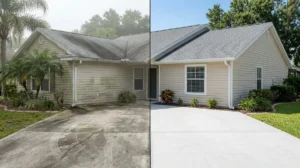
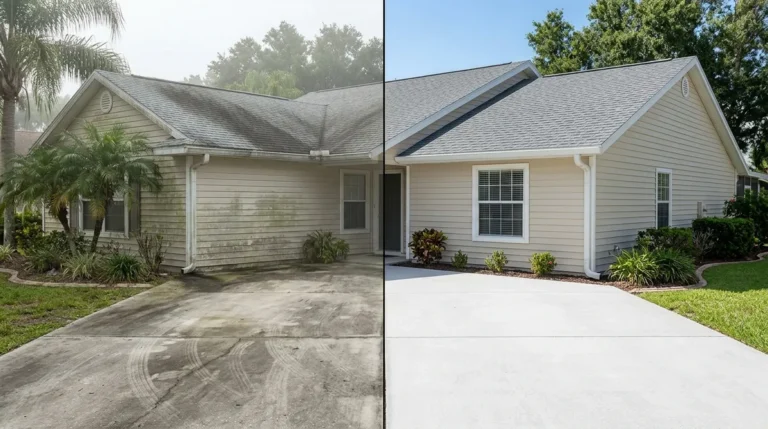
Not sure what your patio cleaning will cost? Their easy online quoting tool makes it simple. Just answer a few quick questions and get your price in minutes — no home visit required. Visit their before-and-after gallery to see the kind of results that are possible when the job is done right.
Quick Reference: Pressure Washing Settings for Concrete Patios
| Concrete Condition | Recommended PSI | Best Nozzle Tip | Special Notes |
|---|---|---|---|
| New, solid concrete | 2,500–3,000 PSI | 25-degree (green) | Safe for full-pressure cleaning |
| Older or slightly worn | 1,500–2,000 PSI | 40-degree (white) | Keep nozzle further away |
| Cracked or damaged | Under 1,200 PSI | Soft wash or 40-degree | Consider professional assessment first |
| Heavily stained | 2,500–3,000 PSI | Surface cleaner attachment | Pre-treat with degreaser |
| Pool patio or wet area | 1,500–2,500 PSI | 25-degree (green) | Prioritize slip-resistance restoration |
Wrapping It All Up
Pressure washing your concrete patio is one of the most satisfying home maintenance tasks you can do. The transformation from grimy and green to clean and bright happens fast, and the results last for months when you follow the right process. Whether you tackle it yourself or bring in a professional team, the key is consistency — clean it regularly and seal it when needed, and your patio will stay looking great year after year.
For Hillsborough County homeowners who want expert results without the hassle, getting professional help is easier than ever. You can also explore helpful tips on why you should power wash your concrete patio and 6 steps to power washing a concrete patio like a pro to continue building your knowledge. And if you’re ready for a professional cleaning that delivers real results, request your free quote from Buckhorn Power Wash today — it only takes a few minutes and you’ll love what you see.
FAQs
Q: How often should I pressure wash my concrete patio in Florida?
A: In Florida’s humid climate, we recommend pressure washing your concrete patio every 6 to 12 months. Shaded or high-traffic patios may need cleaning more frequently since mold and algae love warm, moist conditions.
Q: Can pressure washing damage my concrete patio?
A: Yes, it can if done incorrectly! Using too much pressure or holding the nozzle too close can etch or pit the surface. Stick to the recommended PSI for your patio’s condition and keep the nozzle moving at all times to stay safe.
Q: Do I need to seal my concrete patio after pressure washing?
A: Sealing after washing is a great idea and highly recommended! A good concrete sealer protects the surface from moisture, stains, and organic growth, which means your patio stays cleaner for longer — especially helpful in Florida’s wet climate.
Q: What PSI is safe for pressure washing a concrete patio?
A: For most concrete patios in good condition, 2,000 to 3,000 PSI works well. If your patio is older or shows signs of wear, dial it back to 1,500 PSI or lower, and always test on a small area first before committing to the whole surface.
Q: Is it worth hiring a professional to pressure wash a concrete patio?
A: Absolutely — especially if you have stubborn stains, a large surface area, or aren’t confident about the right equipment settings. Professionals bring commercial-grade machines, expert technique, and the right detergents to deliver results that are tough to match with DIY equipment.