Key Takeaways
-
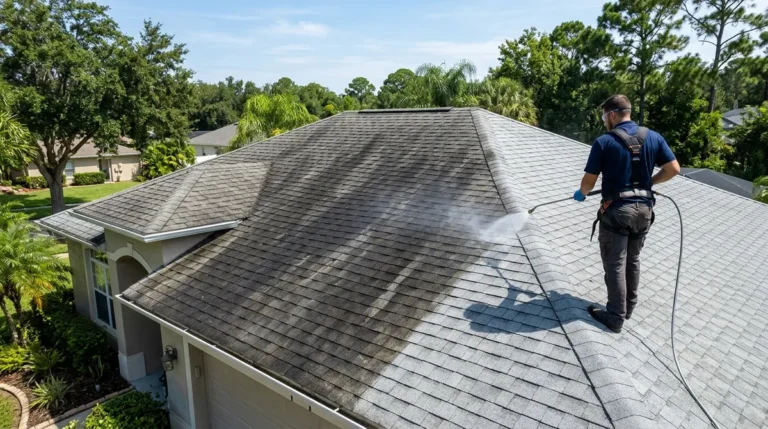
Power washing effectively removes algae, mold, and years of grime buildup that hand scrubbing cannot, restoring sidewalks in a fraction of the time and dramatically improving curb appeal and home value.
-
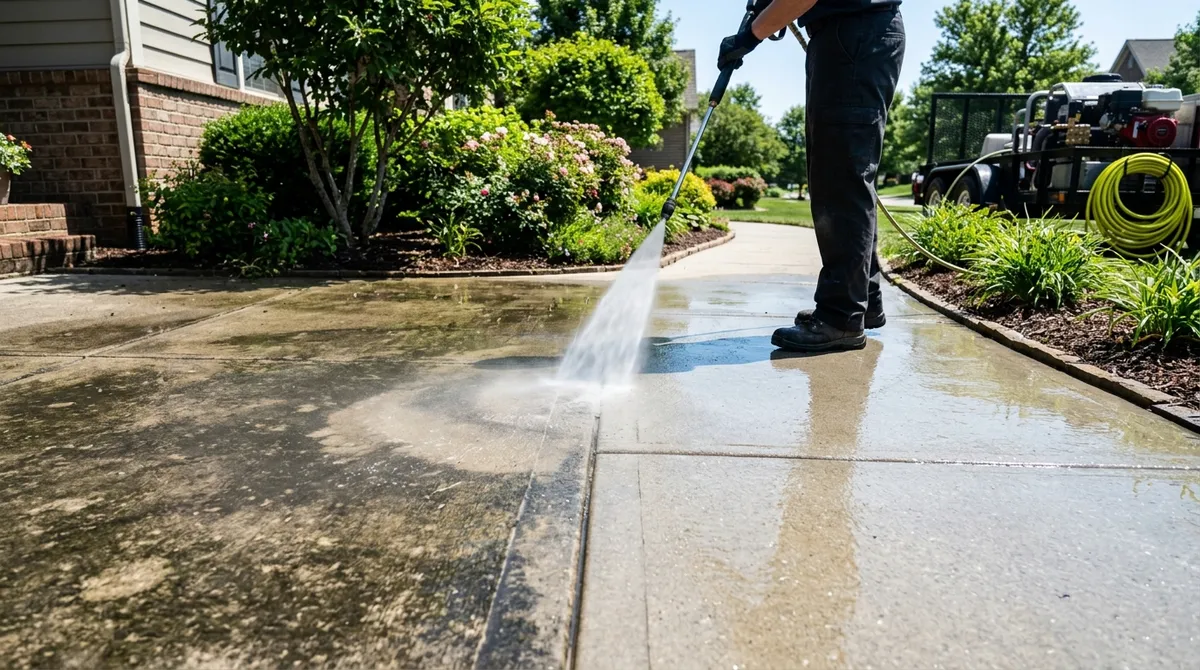
DIY power washing risks permanent surface damage from excessive pressure or incorrect nozzle use; professionals use 2,000-3,000 PSI and proper techniques to avoid etching concrete or forcing water into cracks.
-
Florida's humidity and heat create ideal conditions for mold and algae year-round, making professional cleaning once or twice annually essential for Hillsborough County homeowners to prevent rapid recontamination.
-
A clean sidewalk is a safety necessity, not just aesthetics—algae and mold growth create dangerously slick surfaces after rain, and dirty walkways can trigger HOA compliance fines.
-
Professional sidewalk cleaning includes pre-treatment with biodegradable solutions, controlled pressure washing, and thorough rinsing to remove all chemical residue, typically completing in 30-60 minutes.
-
DIY power washing requires pre-treating stubborn stains with chemicals before rinsing, managing dirty runoff carefully to avoid garden and neighbor damage, and understanding surface-specific pressure requirements.
Your sidewalk takes a beating every single day. Foot traffic, rain, humidity, and Florida’s relentless heat create the perfect recipe for dirt, mold, algae, and grime buildup. If your walkway looks dingy, stained, or green with growth, you’re not alone — it’s one of the most common concerns we hear from homeowners across Hillsborough County. A power washer for sidewalks is one of the most effective tools for restoring that clean, welcoming look fast. Whether you’re thinking about tackling it yourself or calling in a professional, this guide breaks down everything you need to know to get your sidewalk sparkling again.
Why Sidewalk Cleaning Matters More Than You Think
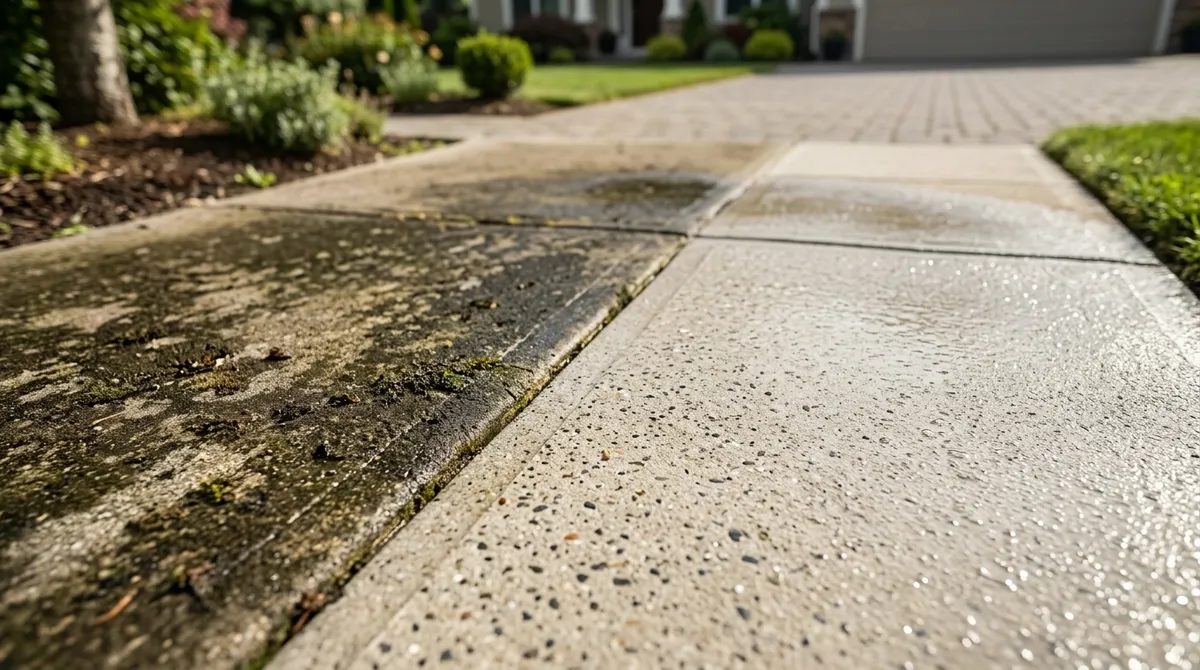
First impressions matter. Your sidewalk is often the first thing guests, neighbors, and potential buyers notice about your home. A stained or slippery walkway doesn’t just look bad — it can actually be a safety hazard. Algae and mold growth make surfaces dangerously slick, especially after rain.
Curb appeal is a real factor in home value. According to the National Association of Realtors, well-maintained exterior surfaces can meaningfully increase a property’s perceived value and attract more interest. That starts right at your front walkway.
For homeowners in HOA communities, a dirty sidewalk can even trigger compliance notices and fines. Keeping your walkway clean isn’t just about looks — it’s about protecting your investment and staying on the right side of neighborhood rules. Check out our article on curb appeal mistakes that make your home look neglected for more eye-opening insights.
What a Power Washer for Sidewalks Actually Does
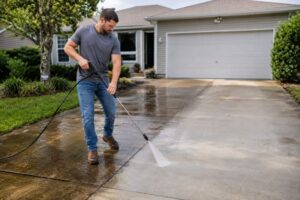
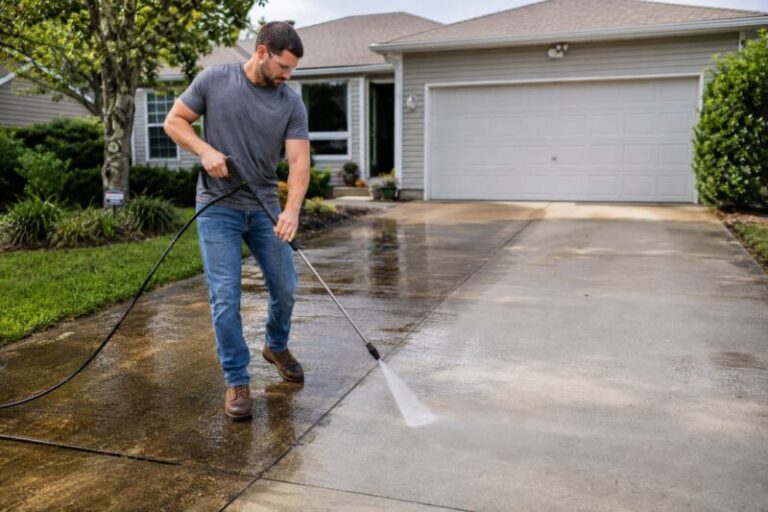
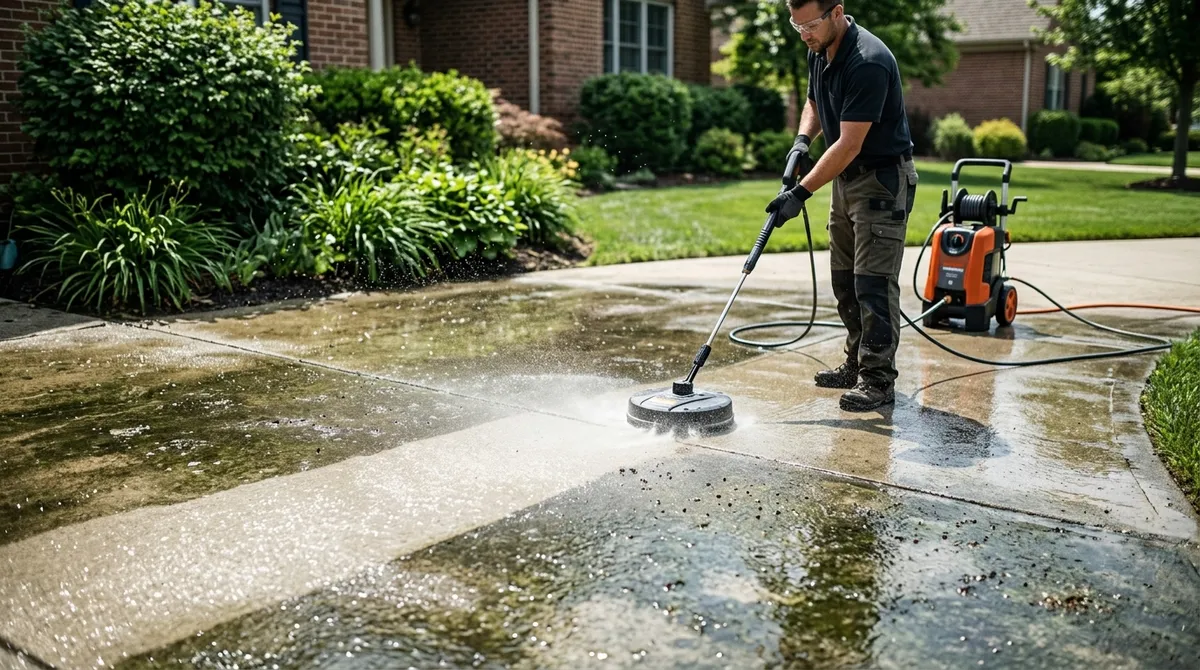
A power washer uses highly pressurized water to blast away surface contaminants. For sidewalks — which are usually concrete, brick, or pavers — high-pressure cleaning is incredibly effective. It strips away years of buildup in a fraction of the time it would take scrubbing by hand.
Here’s what a power washer for sidewalks can remove:
- Dirt and mud stains
- Green algae and black mold
- Mildew discoloration
- Tire marks and oil spots
- Rust stains
- Weathered grime and surface oxidation
- Bird droppings and organic debris
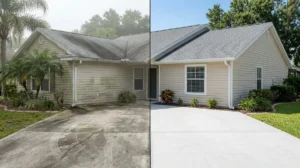
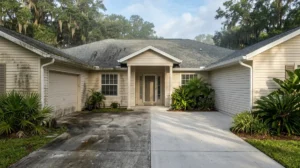
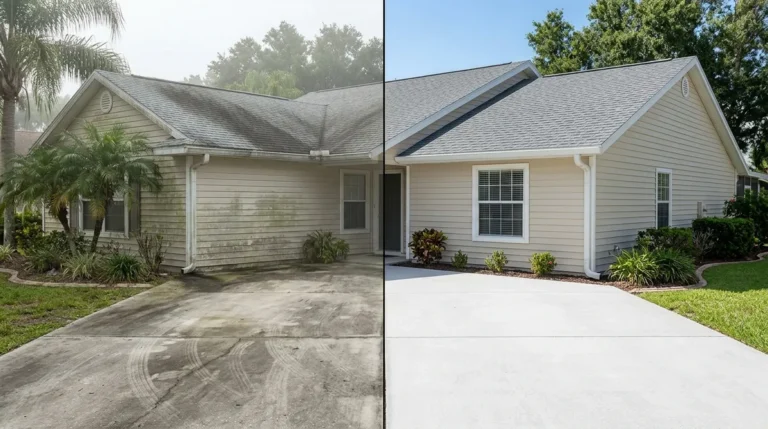
The results can be dramatic. A walkway that looked gray and neglected can look almost brand new after a professional driveway and concrete cleaning session. Learn more about what makes a power washer sidewalk cleaner so effective for a deeper dive into the process.
DIY Power Washing vs. Hiring a Professional
This is the big question most homeowners face. Let’s look at both sides honestly so you can make the best choice for your situation.
The DIY Approach
Renting or buying a power washer sounds simple enough. But there are real risks involved, especially if you haven’t used one before. Too much pressure on the wrong surface can etch concrete, chip pavers, or force water into cracks that worsen over time.
Here are some common DIY pitfalls to watch out for:
- Using too much pressure: Concrete looks tough, but excessive PSI can leave visible streaks and surface damage.
- Holding the nozzle too close: This concentrates pressure and can permanently etch the surface.
- Skipping pre-treatment: Stubborn algae and mold need a chemical treatment before rinsing — water alone won’t kill the spores.
- Using the wrong nozzle: Different nozzle tips create different spray patterns and pressures. The wrong one can damage or underwash your surface.
- Ignoring runoff: Dirty runoff water can flow into garden beds, storm drains, or neighboring property if not managed carefully.
You can learn more about common errors in our article on 7 mistakes to avoid when using a power washer to clean concrete.
The Professional Approach
Hiring a professional takes all the guesswork out of the equation. Pros know exactly how much pressure to use, which cleaning agents work best, and how to protect surrounding surfaces during the job. They also bring commercial-grade equipment that delivers far better results than most consumer rentals.
Professional sidewalk cleaning typically includes:
- Surface pre-inspection and prep work
- Application of eco-friendly cleaning solutions
- High-pressure washing with the correct PSI settings
- Thorough rinsing to remove all chemical residue
- Post-cleaning surface check
For time-poor professionals and busy homeowners in Hillsborough County, calling a pro is simply the smarter, safer, and more efficient choice. Check out DIY vs. professional exterior cleaning: which wins? to see the full comparison.
How Professional Sidewalk Pressure Washing Works: Step by Step
Curious about what actually happens when a professional shows up? Here’s a simple breakdown of the process from start to finish.
- Assessment: The technician inspects the sidewalk for surface type, stain severity, and any cracks or damage that need special attention.
- Pre-treatment: A biodegradable cleaning solution is applied to break down mold, algae, and deep-set grime before washing begins.
- Power washing: High-pressure water is applied in controlled, overlapping passes to lift and flush away contaminants evenly.
- Rinsing: The surface is thoroughly rinsed to remove all cleaning agents and loosened debris.
- Final inspection: The technician checks for any missed spots or remaining stains and addresses them before wrapping up.
Want to see the results this process delivers? Browse our before-and-after gallery to see real transformations on sidewalks, driveways, and more.
Sidewalk Cleaning vs. Driveway Cleaning: What’s the Difference?
Many homeowners bundle sidewalk and driveway cleaning together — and for good reason. They’re both concrete surfaces that face similar contamination challenges. But there are a few key differences worth knowing.
| Feature | Sidewalk Cleaning | Driveway Cleaning |
|---|---|---|
| Surface Area | Typically smaller and narrower | Usually larger and wider |
| Common Stains | Algae, mold, foot traffic dirt | Oil, tire marks, mold, algae |
| Pressure Needed | Moderate to high | Moderate to high |
| Frequency | Once or twice per year | Once or twice per year |
| Special Considerations | Near landscaping, edging detail | Oil stain pre-treatment often needed |
For Florida homeowners, both surfaces benefit from regular cleaning because of the year-round humidity and heat that accelerate organic growth. You can read more about why driveway cleaning matters more than you think — the same logic applies directly to sidewalks.
How Often Should You Power Wash Your Sidewalk?
This is one of the most common questions homeowners ask. The honest answer depends on a few factors specific to your property and location.
Here are the main things that influence cleaning frequency:
- Tree coverage: Lots of shade means more moisture retention and faster algae growth.
- Foot traffic: High-traffic walkways get dirty faster and need more frequent attention.
- Proximity to grass or mulch: Organic material nearby tends to splash onto the sidewalk during rain.
- Florida climate: Hillsborough County’s humidity and rainfall create ideal conditions for mold and algae year-round.
For most homeowners in the area, cleaning your sidewalk once or twice a year keeps it looking fresh and prevents buildup from becoming a bigger problem. If you’re in an HOA community, quarterly cleanings may be more appropriate to stay compliant. Our pressure washer sidewalk cleaner guide covers frequency recommendations in more detail.
Why Hillsborough County Homeowners Trust Professional Sidewalk Cleaning
Florida’s climate is tough on exterior surfaces. The combination of heat, humidity, and rain means that algae, mold, and mildew grow faster here than almost anywhere else in the country. DIY cleaning just can’t keep up with that pace — especially for busy homeowners who have better things to do on weekends.
That’s where Buckhorn Power Wash comes in. Serving homeowners throughout Hillsborough County — from Valrico to Riverview to Brandon and beyond — we deliver professional, affordable exterior cleaning that gets real results. Our team uses the right equipment, the right pressure, and eco-friendly cleaning solutions to restore your sidewalk safely and effectively. You can visit us on Google — Buckhorn Power Wash to read reviews from happy customers right in your neighborhood.
We also love connecting with our community on Buckhorn Power Wash on Facebook, where we share tips, before-and-after photos, and seasonal cleaning reminders. And if you want to see what your neighbors are saying, check out our Buckhorn Power Wash reviews on Yelp.
Signs Your Sidewalk Needs a Power Washer Right Now
Not sure if your sidewalk is overdue for a cleaning? Here are the telltale signs it’s time to call in a pro:
- Green or black discoloration (algae or mold growth)
- Slippery surface after rain
- Dark gray staining that won’t scrub off
- Visible dirt buildup along the edges
- A noticeably different color compared to when it was new
- Guests commenting on the appearance of your walkway
If you’re seeing two or more of these signs, it’s time to act. You can also explore our article on 7 signs you need a pressure washing company near me today for a broader look at exterior cleaning red flags.
Getting Started with Professional Sidewalk Pressure Washing
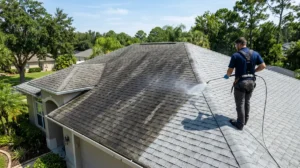
Ready to see what a difference a clean sidewalk can make? Getting started is easier than you might think. You don’t need to schedule a home visit or spend hours getting quotes. Our full range of residential cleaning services includes sidewalk and concrete cleaning, along with house washing, roof cleaning, gutter cleaning, and more.
If you’re curious about what the process looks like end-to-end, our guide on how to clean concrete with a pressure washer the right way is a great resource. And when you’re ready to move forward, it’s simple to request your free instant quote online in just a few minutes — no home visit required.
Conclusion
A clean sidewalk is one of the easiest ways to boost your home’s curb appeal, improve safety, and keep your property looking its best. Whether you’re dealing with stubborn algae, years of grime, or just want to stay ahead of buildup before it becomes a bigger problem, a power washer for sidewalks is the right tool for the job. And when it comes to getting the best results without the hassle, hiring a professional is always the smart move — especially here in Florida’s demanding climate.
Don’t let a dirty walkway drag down the look of your entire property. Get your free quote from Buckhorn Power Wash today and take the first step toward a cleaner, safer, more beautiful home exterior. You’ll be amazed at the difference one cleaning can make!
FAQs
Q: How much pressure does a sidewalk need to be power washed effectively?
A: Most concrete sidewalks clean up beautifully at pressure levels between 2,000 and 3,000 PSI. Going too high can etch the surface, so it’s always smart to start lower and adjust as needed — or better yet, let a professional handle it so you get great results without the risk!
Q: Can power washing remove old black stains from a concrete sidewalk?
A: Yes! Black staining is usually caused by mold, algae, or mildew, and a power washer paired with the right pre-treatment solution can lift even stubborn dark stains effectively. For very deep or long-standing stains, a professional cleaning service will get the best outcome.
Q: How long does it take to power wash a typical residential sidewalk?
A: For most standard residential sidewalks, a professional can complete the job in 30 to 60 minutes, depending on the length, level of buildup, and any pre-treatment needed. It’s one of those jobs where the results are dramatic but the time investment is surprisingly minimal!
Q: Is power washing sidewalks safe for surrounding plants and grass?
A: When done correctly, yes! Professional cleaners use eco-friendly, biodegradable cleaning solutions and take care to rinse away any chemical runoff from nearby landscaping. If you’re doing it yourself, be sure to wet down plants before and after washing as a protective measure.
Q: How often should Florida homeowners power wash their sidewalks?
A: In Hillsborough County’s humid climate, we generally recommend cleaning your sidewalk at least once or twice a year to stay ahead of mold and algae growth. Homes with heavy shade, lots of foot traffic, or HOA requirements may benefit from more frequent cleanings throughout the year.